
Gas vs Battery Leaf Blowers: Emissions, Noise and California's Rules
CARB emissions facts, California's 2024 rule, noise limits and what to check.
Quick answer
No, California has not banned using gas leaf blowers you already own. CARB requires most newly manufactured small off-road engines, model year 2024 and later, to be zero-emission, but there is no ban on using older or used equipment, and compliant gas models already on shelves can still be sold (CARB). Noise above 85 dBA is considered hazardous (NIOSH).
Jump to section
What counts as a small off-road engine
CARB, the California Air Resources Board, calls the engines in most lawn and garden tools "small off-road engines," or SORE. They are spark-ignition engines rated at or below 19 kW, used mainly in lawn, garden and other small equipment (CARB). Gas leaf blowers, string trimmers and lawn mowers all use them.
The rule is written for small off-road engines like these, which covers gas blowers, gas trimmers and gas mowers.
California has a lot of this equipment. CARB reports about 15.4 million small off-road engines in the state, close to its 14.0 million light-duty passenger cars (CARB).
The emissions comparison
CARB estimates that one hour of commercial leaf blower use emits smog-forming pollution comparable to driving a new light-duty car about 1,100 miles. One hour of commercial lawn mower use is comparable to about 300 miles (CARB).
| Equipment (commercial use) | One hour is comparable to driving a new light-duty car about |
|---|---|
| Leaf blower | 1,100 miles |
| Lawn mower | 300 miles |
Two cautions. These are CARB's estimates for commercial use, so they do not describe a homeowner who clears leaves for a short time each fall. And they refer to smog-forming pollution, not to every kind of emission. They show the scale CARB is describing, not what your own blower does in your own yard.
Read the table as a comparison between two kinds of equipment, not as a bill for your yard: in CARB's estimate the blower figure is the larger of the two. For a mower-specific comparison, see our guide to battery vs gas lawn mower.
California's rule for model year 2024+
Under CARB's rule, most newly manufactured small off-road engines, model year 2024 and later, such as those in leaf blowers and lawn mowers, must be zero-emission. Portable generators and large pressure washers follow a 2028 timeline (CARB).
In practice, that means most newly manufactured blowers and mowers covered by the rule are battery-powered or otherwise zero-emission. The rule applies to what is manufactured, not to what you already own.
California also set aside money to help with the change. The state allocated 30 million dollars through CARB's CORE voucher program to help sole proprietors and small landscapers buy zero-emission equipment (CARB). That program is aimed at small landscaping businesses, not homeowners.
The key dates and limits from CARB's page are easy to lose in the detail, so here they are together.
| Item | What CARB says |
|---|---|
| Most new small off-road engines, such as in leaf blowers and mowers | Zero-emission from model year 2024 |
| Portable generators and large pressure washers | 2028 timeline |
| Older or used equipment | No ban on use |
| Compliant gas models already on shelves | Can still be sold |
CARB describes the rule in terms of newly manufactured engines, so what matters is the model year of the equipment, and the rule does not reach older or used equipment (CARB). Other states and cities may have their own rules about equipment and noise. This guide covers California's engine rule only. Check your local rules where you live.
What it means for equipment you already own
There is no ban on using older or used equipment. Compliant gas models that are already on shelves can still be sold (CARB). If you own a gas blower, you can keep using it, and you can still buy a compliant gas model that a store has in stock.
Practical points for a homeowner:
- Your existing gas blower, trimmer and mower can stay in service.
- A store may still carry compliant gas models made before the rule took effect.
- When a gas tool wears out, the replacement you find may be battery-powered, so it helps to know the platform you want.
- If you are not in California, the rule does not apply to you, though other places may have their own.
If you are deciding whether to replace a gas tool before it wears out, compare the runtime and power of the battery option with your yard. Our gas lawn mower guide and the battery vs gas lawn mower comparison cover the same trade-offs for mowers.
Noise and your hearing
NIOSH's recommended exposure limit is 85 dBA over an 8-hour shift. Noise above 85 dBA is considered hazardous, and needing to raise your voice at arm's length suggests levels that are hazardous (NIOSH).
We do not give decibel ratings for gas or battery blowers in general. Ratings differ from model to model, and the only reliable number is the one the maker publishes for the model you are buying. Look at the maker's dB figure in the listing, and compare it between models. Our leaf blower guide has a noise column that shows the maker's figure.
Noise rating is not the whole story, because the NIOSH limit is tied to a time period: how long you work matters as well as how loud the tool is. Check your town's rules for when and where blowers may be used.
Choosing a battery blower
If you decide on battery, compare the same specs you would for any blower. Our guide to the best leaf blowers puts them side by side. Our leaf blower guide also has a Power source column, so you can see which picks run on a battery. Look at these things:
- Air volume (CFM) and speed (MPH). CFM moves volume, which helps with piles of leaves, and MPH lifts wet or stuck leaves.
- Maker-stated noise (dB). Compare ratings and wear hearing protection.
- Runtime. Maker-stated, at a particular setting. A second battery may help on a large yard.
- Weight and balance. You hold it for the whole job.
- Battery platform. A battery shared with your string trimmer and mower saves money and storage space.
Start with the one job you do most, such as clearing a patio or moving a pile of fall leaves, and pick the specs that matter for it.
A few honest trade-offs apply. A battery blower needs charging and has a runtime limit, so it suits shorter jobs unless you own a spare battery. A gas blower needs fuel and upkeep, and is subject to the rule above if you shop in California. Neither is better in every yard. The right pick is the one that fits your property, your hearing and the rules where you live. Read the manual for the tool you buy, wear eye and hearing protection, and keep bystanders and pets well clear while you work.
Gear that helps
-
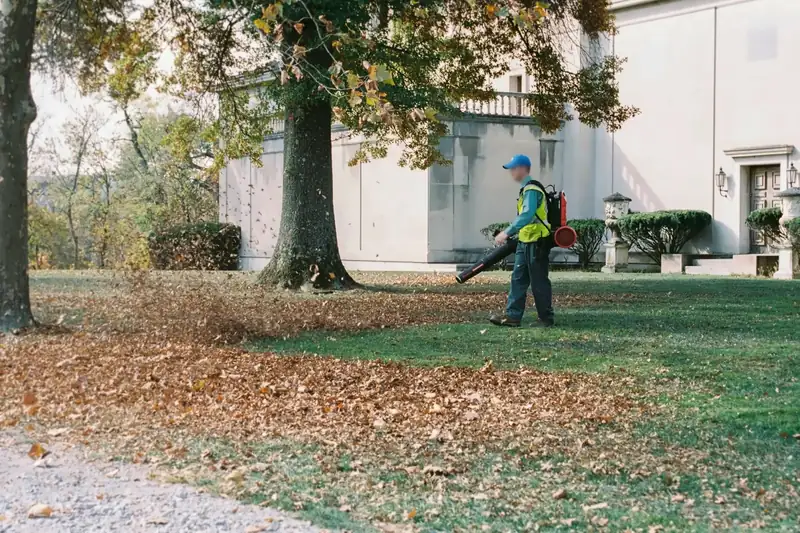
Best Leaf Blowers
Compare blowers by air volume, air speed, maker-stated noise and runtime, with power source as a column.
-
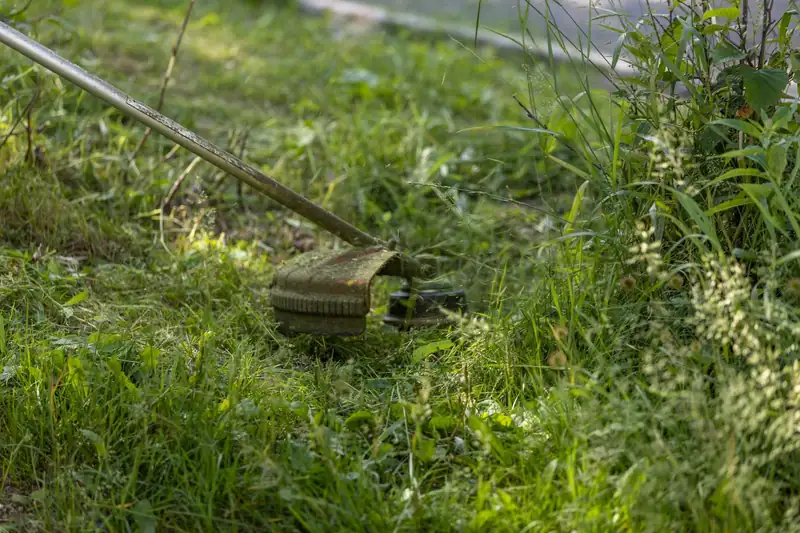
Best String Trimmers (Weed Eaters)
Trimmers use the same kind of small engine, so the same rule and the same battery choice apply.
-
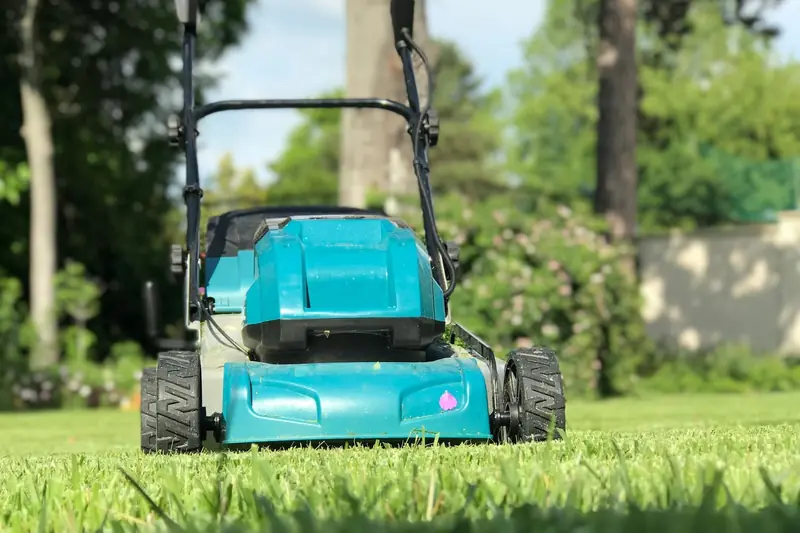
Best Battery-Powered Lawn Mowers
A battery mower can share a battery platform with your blower and trimmer.


FAQ
Are gas leaf blowers banned in California?
New small off-road engines, model year 2024 and later, must be zero-emission, but there is no ban on using older or used equipment (CARB).
How loud is too loud?
NIOSH's recommended exposure limit is 85 dBA over an 8-hour shift, and noise above 85 dBA is considered hazardous (NIOSH).
What is a small off-road engine?
A spark-ignition engine rated at or below 19 kW, used mainly in lawn, garden and other small equipment (CARB).
Related
-
-
Buying guide
Best String Trimmers (Weed Eaters)
Power source, swath, line size and weight, side by side.
-
Buying guide
Best Battery-Powered Lawn Mowers
Deck width, battery size, drive type and cutting modes, side by side.
-
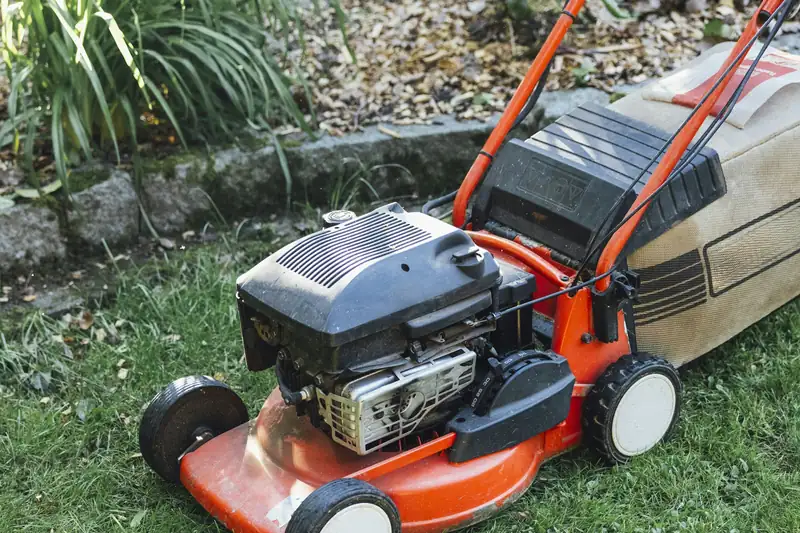
-
-
Guide
Lawn Mower Safety: Rules That Prevent the Worst Injuries
Age rules, protective gear, slopes and refueling, from CPSC and AAP.


Get the Spring Lawn Startup Checklist
A printable checklist covering mower height, safety gear, spreader calibration, sprinkler output and raised-bed soil tests. Free, and sized for the garage wall.