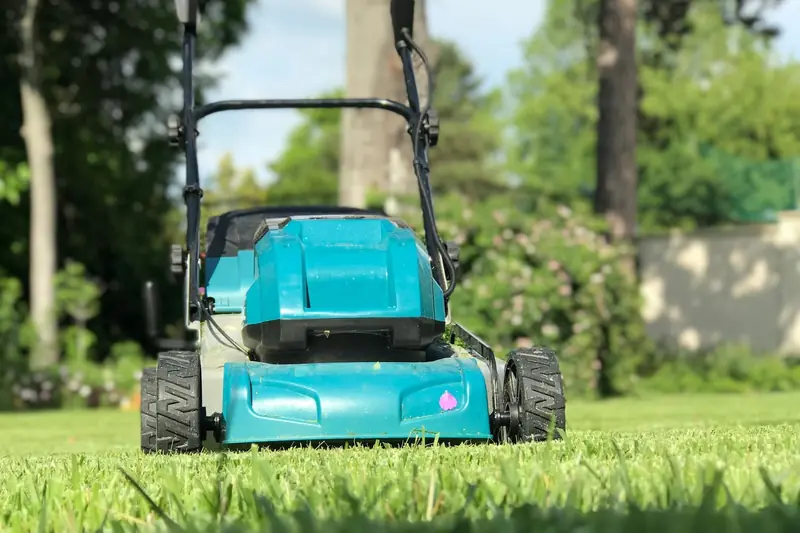

Battery vs Gas Lawn Mower
The right choice depends on your yard and how you mow. The differences are power and runtime, noise, emissions, upkeep and the rules in some states. Here is the comparison point by point.
Battery mower: the better choice if…
- You have a small to medium lawn and want a push-button start.
- You want no fuel, oil or spark plugs to manage.
- You already own cordless tools that share a battery.
Gas mower: the better choice if…
- You have a large lawn and want to mow without watching a battery.
- You mow thick, tall grass often.
- You live where gas equipment is still sold and are comfortable with fuel upkeep.
Jump to section
At a glance
| Point | Battery mower | Gas mower |
|---|---|---|
| Power and runtime | Maker-stated runtime per battery | Runs while you have fuel |
| Yard size | Small to medium; check deck and battery | Medium to large |
| Noise | Check maker dB (NIOSH: 85 dBA limit) | Check maker dB (NIOSH: 85 dBA limit) |
| Emissions | None at the mower | Smog-forming; mower hour about 300 car-miles (CARB, commercial) |
| California model year 2024 rule | Allowed | Most new engines must be zero-emission (CARB) |
| Maintenance | Battery care, blade sharpening | Fuel, oil, spark plug, blade |
| Refueling safety | Charge instead of refuel | Never refuel running or hot (CPSC) |
| Weight | Check each listing | Check each listing |
| Cost over time | Check each listing | Check each listing |
Power and runtime
A gas mower runs for as long as you have fuel. A battery mower runs for as long as the charge lasts, and runtime is a maker-stated figure. Check the voltage, amp-hours and runtime in each listing, and see whether a second battery is supported. Our battery mower guide lists these specs side by side.
Yard size
Match deck width and battery capacity, or engine size, to your yard, and check the maker's rated runtime or tank size before you decide. For a half-acre lot, check the gas mower guide alongside the battery guide.
Noise
Noise ratings come from the maker, so use the decibel figure in each listing. NIOSH considers noise above 85 dBA hazardous, and says that needing to raise your voice at arm's length suggests hazardous levels (NIOSH). Wear hearing protection with any mower that is near or above that level.
Emissions
CARB estimates that one hour of a commercial lawn mower emits smog-forming pollution comparable to driving a new light-duty car about 300 miles, and one hour of a commercial leaf blower about 1,100 miles (CARB). Those are commercial-use estimates, not figures for a home mower used once a week. A battery mower produces no exhaust at the mower.
California's model year 2024 rule
CARB requires most newly manufactured small off-road engines, model year 2024 and later, such as those in leaf blowers and lawn mowers, to be zero-emission. There is no ban on using older or used equipment, and compliant gas models already on shelves can still be sold (CARB). Other states and cities set their own rules, so check where you live. Our gas vs battery leaf blower guide covers the rule in depth.
Maintenance
Gas mowers need fuel, oil and spark plugs, and the manual lists the schedule. Battery mowers need blade care and a battery that is charged and stored as the maker directs. For any mower, a sharp blade cuts cleanly and reduces disease, while dull blades tear grass (Illinois Extension).
Refueling safety
CPSC says to fill the tank before starting and never to refuel a running or hot mower. It also says to disconnect the spark plug before maintenance (CPSC). A battery mower avoids refueling, though you should still stop the blade before clearing a clog. See the lawn mower safety guide.
Weight and cost over time
Weight and price differ by model, and we do not make general claims. Check the Weight column in each guide, and the current prices on Amazon. Think about fuel, oil and spark plugs for a gas mower, and a replacement battery for a battery mower, when you add up the cost over several years.
Which should you buy?
Pick a battery mower for a small or medium lawn, a quiet start and no fuel. Pick a gas mower for a large lawn, tall grass or a spot where you cannot rely on charging. Both need the same safety habits from our safety guide.
Alternatives
If you want less effort again, look at a robotic mower; see robotic mower vs push mower for that choice.
FAQ
Is a battery mower as powerful as gas?
That depends on the model and on your lawn. Compare voltage, amp-hours, deck width and the maker's stated runtime, then match them to the size of your yard.
Can I still buy a gas mower in California?
Yes, you can. CARB's rule applies to newly manufactured small off-road engines from model year 2024, which must be zero-emission in most cases, but compliant gas models that were already on shelves can still be sold (CARB).
Which is better for my hearing?
Compare the maker's decibel rating for each model, because ratings differ. NIOSH treats noise above 85 dBA as hazardous (NIOSH).
Related
-
Buying guide
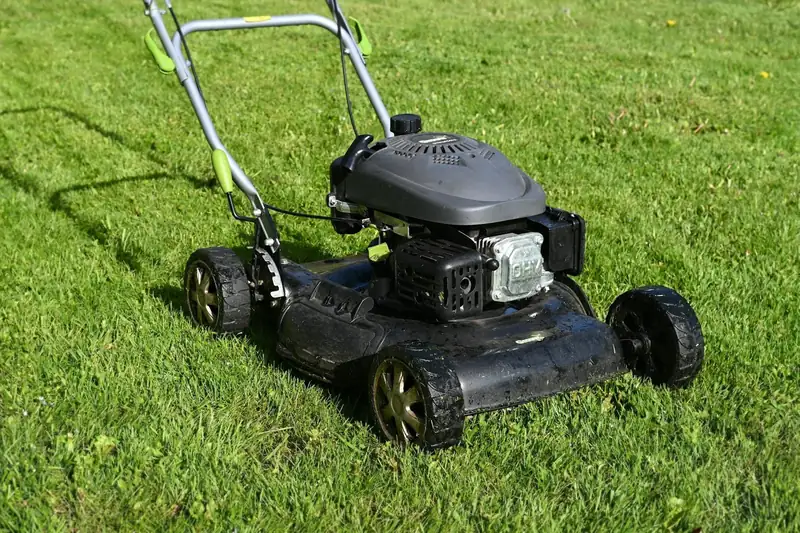
Best Battery-Powered Lawn Mowers
Deck width, battery size, drive type and cutting modes, side by side.
-
-

Guide
Gas vs Battery Leaf Blowers: Emissions, Noise and California's Rules
CARB emissions facts, California's 2024 rule, noise limits and what to check.
-
Comparison
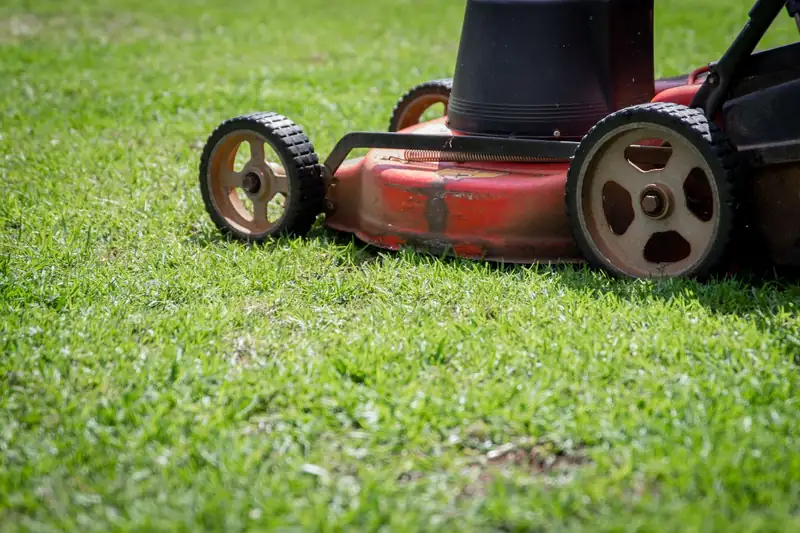
Robotic Mower vs Push Mower: Is a Robot Worth It?
How robots navigate, what they cost to run, and where a push mower still wins.
-
Guide
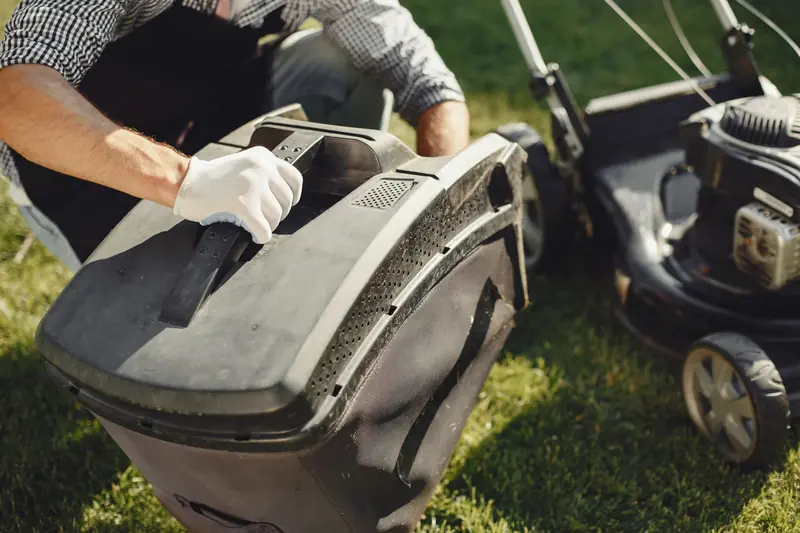
Lawn Mower Safety: Rules That Prevent the Worst Injuries
Age rules, protective gear, slopes and refueling, from CPSC and AAP.


Get the Spring Lawn Startup Checklist
A printable checklist covering mower height, safety gear, spreader calibration, sprinkler output and raised-bed soil tests. Free, and sized for the garage wall.