
Best String Trimmers (Weed Eaters)
A string trimmer cuts the grass and weeds your mower cannot reach, along fences, walls and beds. The decisions that matter are battery or gas power, how wide a swath it cuts, and how heavy it feels after 20 minutes in your hands. This guide is for homeowners who want a trimmer that matches their yard and their stamina.
Jump to section
What we look for
Power source
battery or gas decides noise, weight, upkeep and which rules apply where you live.
Cutting swath
a wider swath covers more ground per pass, but is harder to control in tight spots.
Line size and feed type
thicker line cuts tougher growth, and the feed type decides how often you stop to adjust.
Straight or curved shaft
shaft shape affects reach, balance and where you can get the head.
Weight and balance
you hold the trimmer for the whole job, so weight adds up quickly.
Edging mode
an edger mode or attachment turns the same tool into a lawn edger.
- Sources: manufacturer product pages and manuals, warranty terms, and NIOSH for the noise limit that applies to power tools.
How to choose the right string trimmer
Check which battery and charger you already own before you compare models. If you are deciding between fuels, start with gas vs battery leaf blowers, which covers emissions, noise and California's rule for new engines.
Power source
Battery trimmers run on a charged pack and gas trimmers run on fuel. Our comparison battery vs gas lawn mower covers the same trade-offs, and they apply to trimmers too. Check the Power source and Voltage or engine columns, and the maker's runtime if the listing gives one.
Cutting swath
The cutting swath is the circle the line sweeps. A wide swath saves time on open ground and long edges. A narrow swath handles tight corners and beds more precisely. Compare the Cutting swath column with the work you actually do, such as fences and beds versus open weed patches.
Line size and feed type
Line diameter and feed type are both listed. Feed types include bump-feed and automatic or fixed-line heads. Check the Line diameter and Feed type columns, and read the manual for the line size your head accepts. Heavier growth and more frequent stops are both reasons to read those columns closely.
Straight or curved shaft
Straight and curved shafts differ in reach and in how the weight sits in your hands. Check the Shaft type column and picture your typical job, whether that is a long fence line or a tight bed edge. Compare the Weight column too, since the shaft shape changes the balance.
Weight and balance
A lighter trimmer is easier on the arms and shoulders over a long session. Check the Weight column, and note that the battery counts toward the weight on battery models. Read the manual to see whether a shoulder strap or an adjustable handle is supported.
Edging mode
Some trimmers rotate the head to edge along sidewalks and beds, and some accept attachments. If you want crisp lawn edges, check the Edger mode column and read the manual for what the tool supports.
Tips for using your string trimmer
- Wear hearing protection when the maker's noise rating is high. NIOSH considers noise above 85 dBA hazardous (NIOSH).
- Wear eye protection, long pants and sturdy shoes when you cut, as CPSC and AAP advise for mowing (CPSC; AAP).
- Pair a trimmer with a battery mower from the same maker if you want one battery for both.
- Clear twigs, stones and toys from the area first, as CPSC advises before mowing (CPSC).
FAQ
Do I need hearing protection?
NIOSH treats noise above 85 dBA as hazardous, and if you must raise your voice to be heard at arm's length, the noise is probably too loud (NIOSH). Compare the maker's dB rating for each model.
What else should I wear?
Are gas trimmers affected by California's rule?
Yes, in California for new equipment. String trimmers use small off-road engines, and CARB's rule makes most newly manufactured ones zero-emission from model year 2024 (CARB; CARB fact sheet).
Should I buy battery or gas?
The same trade-offs apply as with mowers: power and runtime, noise, upkeep and local rules. Our battery vs gas lawn mower page sets them out.
Does it matter how long I use a trimmer?
NIOSH's recommended limit is 85 dBA over an 8-hour shift (NIOSH). Check the maker's dB rating, and use hearing protection whenever the rating is near or above that level.
What should I clear before I start trimming?
CPSC says to clear twigs, stones and toys before mowing because thrown objects have caused severe injuries (CPSC). The same habit makes sense along fences and beds.
Related
-

-
Buying guide
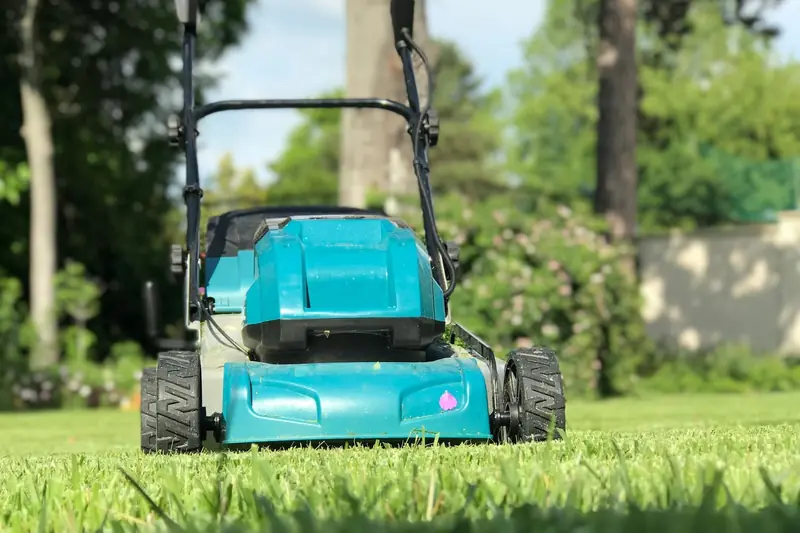
Best Battery-Powered Lawn Mowers
Deck width, battery size, drive type and cutting modes, side by side.
-
-

Guide
Gas vs Battery Leaf Blowers: Emissions, Noise and California's Rules
CARB emissions facts, California's 2024 rule, noise limits and what to check.
-
Guide
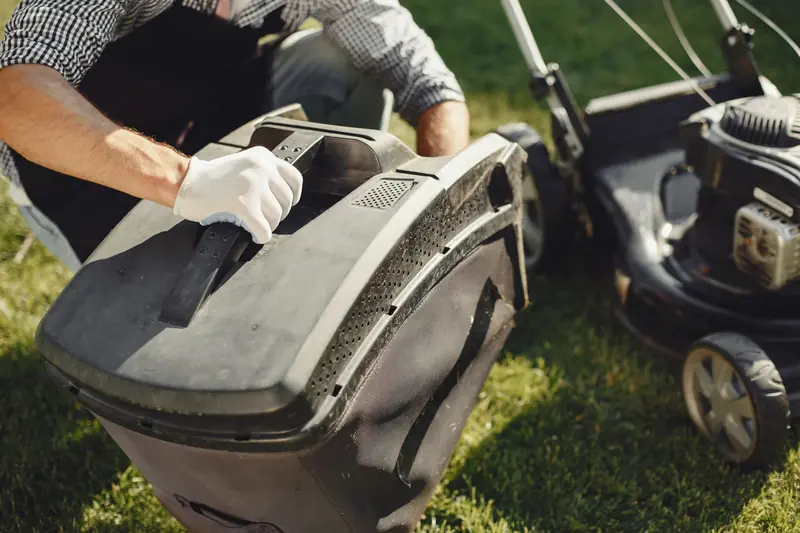
Lawn Mower Safety: Rules That Prevent the Worst Injuries
Age rules, protective gear, slopes and refueling, from CPSC and AAP.
-


Get the Spring Lawn Startup Checklist
A printable checklist covering mower height, safety gear, spreader calibration, sprinkler output and raised-bed soil tests. Free, and sized for the garage wall.